Map the visible flow paths and low spots.
DRAINAGE
French drain installation
Collect subsurface water. Give it a planned route away.
UNDERSTAND FIRST. SOLVE SECOND.Follow the water.
Follow the water.
Find the cause.
Moving water requires more than adding a pipe. Site levels, soil conditions, collection points and a suitable outlet determine whether a drainage solution can do its job.
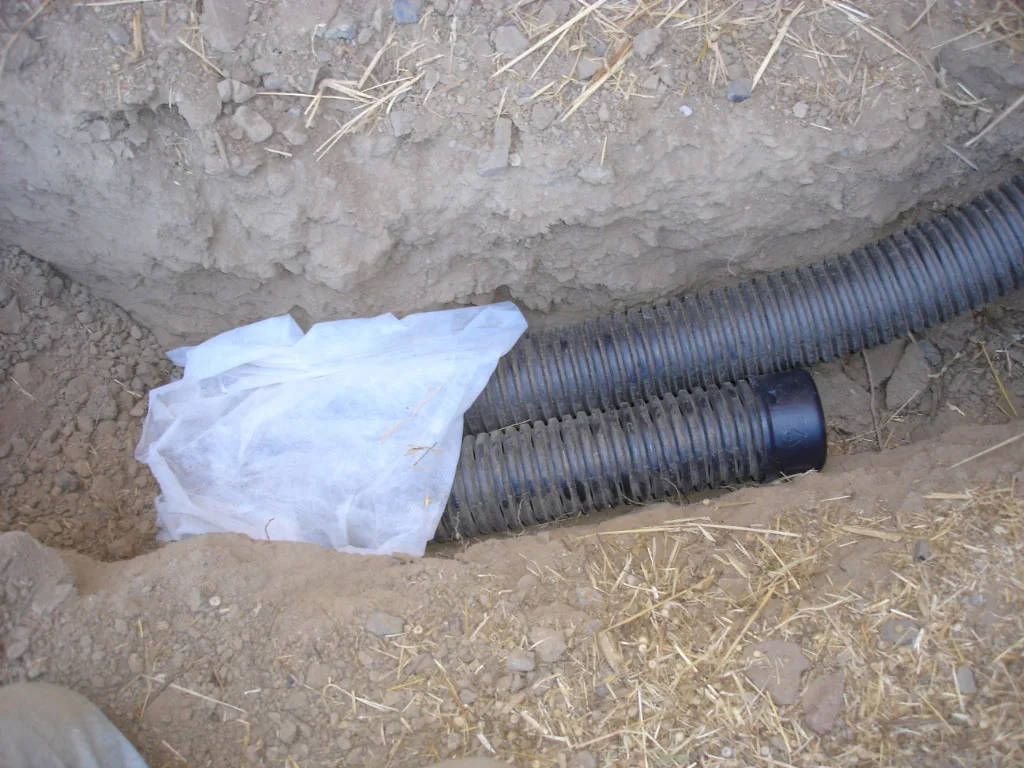
A French drain typically uses a perforated pipe in a prepared aggregate trench. Placement, filtering, fall and the final outlet are site-specific. It should not be treated as a universal solution for surface puddles or sewer backup. Confirm excavation access and underground utilities before planning the route.
What we look at
- Where does water collect and how long does it remain?
- Does water flow toward the building or adjoining property?
- Is there an appropriate, permitted discharge destination?
A scope you can understand.
Assess levels, access and outlet feasibility.
Choose collection, conveyance and surface-restoration details.
Check the completed route and explain ongoing maintenance.
Related water solutions.
Your questions, answered.
Is this the right service for my property?
The assessment connects the visible symptoms with site conditions. The proposed solution and scope should be clear before you decide.
Is service available at my address?
Share your postal code. Availability depends on location, project requirements and safe access.
What should the quote include?
The proposed scope, access, work and exclusions should be clear in writing. Permit needs and specialist work depend on the project.